Wiring · 7 min · reviewed Oct 2026
Which wire size for house wiring? 1, 1.5, 2.5, 4 and 6 sq mm explained
Short answer
In Indian homes, 1.5 sq mm copper wire is typically used for lights and fans, 2.5 sq mm for general sockets, 4 sq mm for heavy loads such as air conditioners and water heaters, and 6–10 sq mm for the main supply depending on the total connected load. Use multi-strand copper with FR or FR-LSH insulation, and size every circuit with its MCB following IS 732.
हिंदी में
घर की वायरिंग में कौन सा तार लगाएँ?
लाइट और पंखे के लिए 1.5 sq mm, सामान्य सॉकेट के लिए 2.5 sq mm, AC और गीज़र के लिए 4 sq mm, और मेन सप्लाई के लिए लोड के हिसाब से 6–10 sq mm कॉपर तार लगाएँ। FR या FR-LSH इंसुलेशन वाला मल्टी-स्ट्रैंड तार लें।
How much current can a wire carry?
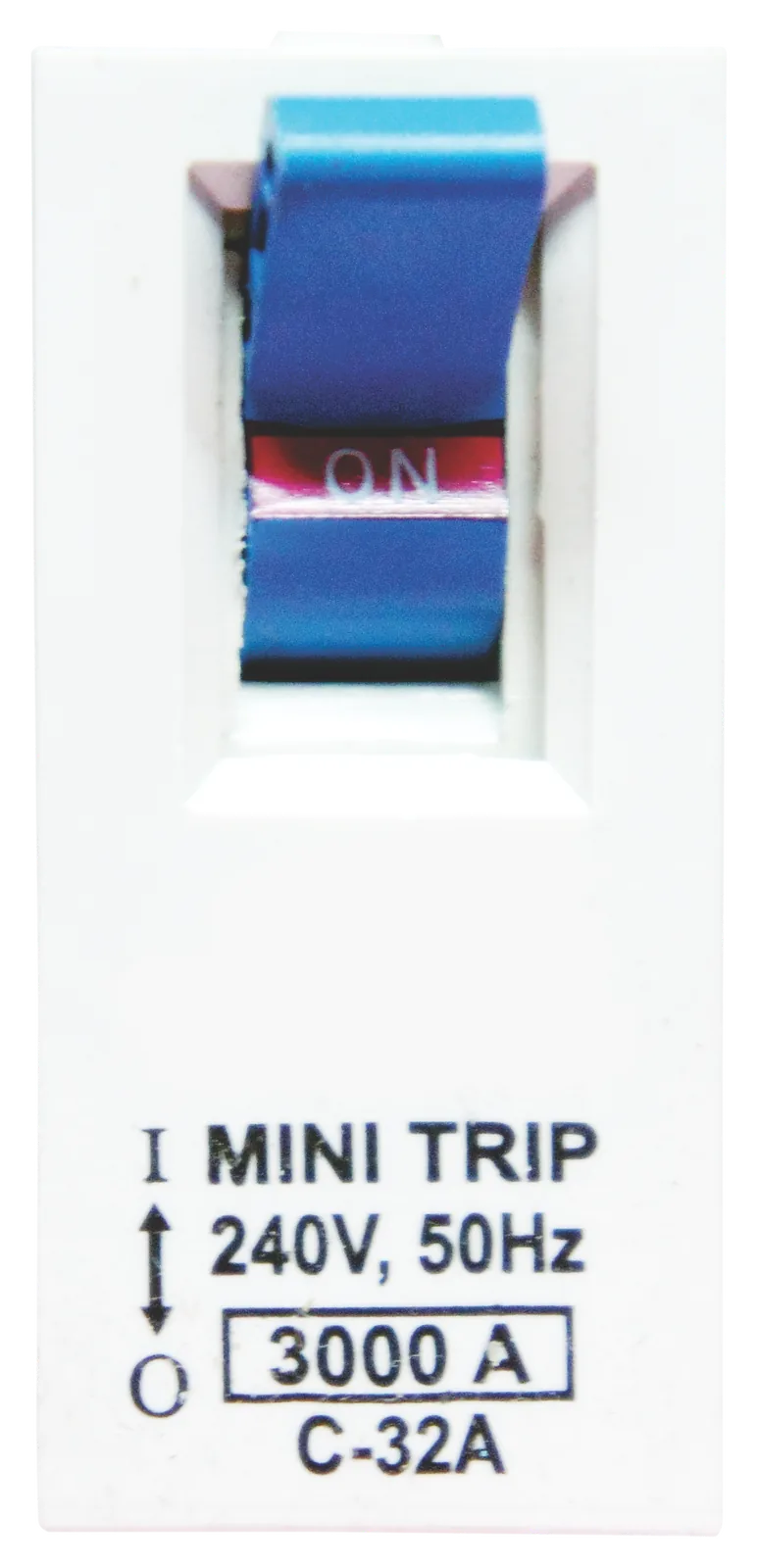
These are reference values for comparison. The rating that applies to your installation depends on how the cable is run, how hot it gets, how many circuits share a conduit and the length of the run (voltage drop). Always use the manufacturer's datasheet and protect the wire with an MCB rated at or below what the wire can carry.
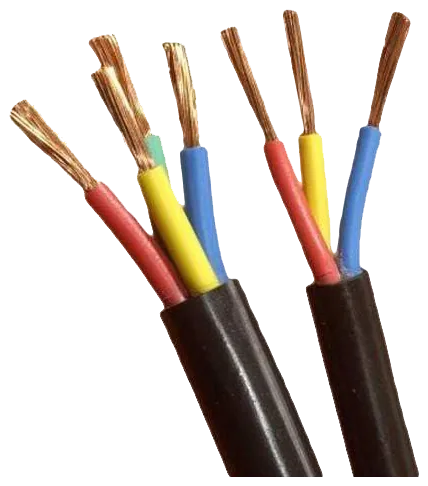
Colour code
Insulation types
- PVC: the basic insulation for house wires (IS 694).
- FR (flame retardant): resists spreading a fire along the cable.
- FR-LSH (flame retardant, low smoke and halogen): less smoke and toxic gas in a fire — a good choice for homes, offices and public buildings.
- HFFR / ZHFR (halogen-free flame retardant): no halogen at all; used where smoke and corrosive gases must be minimised.
What to check when buying
- The size refers to the copper conductor's cross-section, not the overall thickness.
- Bright, annealed, multi-strand copper that bends without cracking.
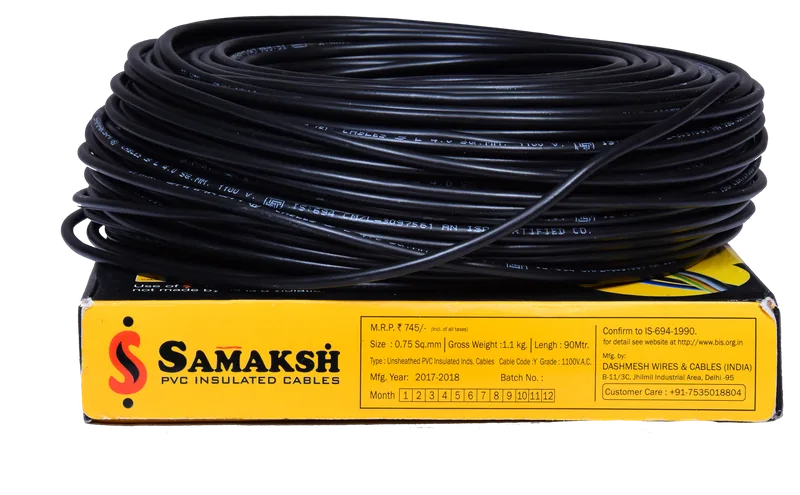
- Clear printing along the length: brand, size and standard.
- Full coil length — house wire in India is commonly sold in 90 m coils.
- The ISI mark for the relevant Indian Standard.
Questions people also ask
- Which wire for a 1.5 ton AC? +
- 2.5 sq mm copper is common for a typical 1.5 ton split AC on a short run; use 4 sq mm for long runs or larger units, with a matching 16–20 A C-curve MCB.
- Can I use 1 sq mm wire for lights? +
- It's used for light points, but 1.5 sq mm gives more margin and is what many electricians now prefer for lighting circuits.
- What wire size for the main line of a house? +
- Commonly 6 sq mm for smaller homes and 10 sq mm or more for larger connected loads. It must match the meter rating and main breaker; ask your electrician to calculate the load.
- Is multi-strand better than single-strand? +
- Multi-strand wire is more flexible, easier to pull through conduit and less likely to crack at bends, which is why it's the standard for house wiring.
General guidance only — follow IS 732 and your local electrical rules, and use a licensed electrician.