Wiring · 4 min · reviewed Oct 2026
PVC conduit pipe guide: light, medium or heavy gauge? 20 mm or 25 mm?
Short answer
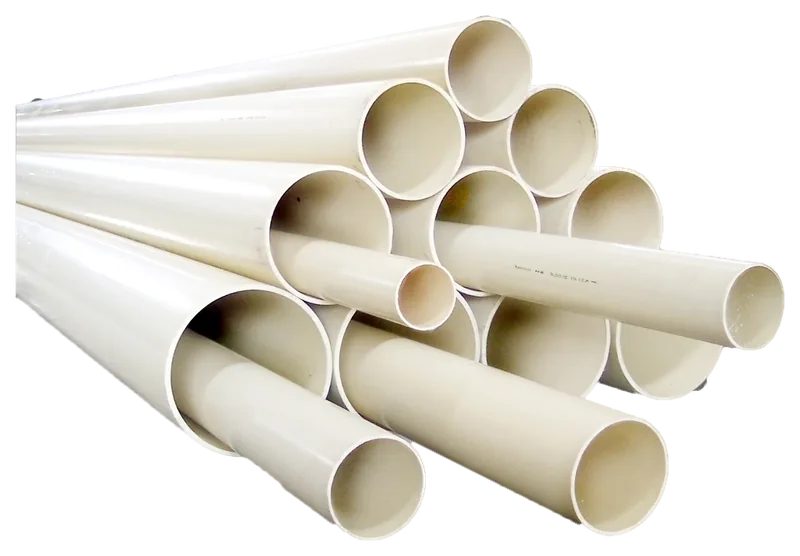
Use medium-gauge (MMS) rigid PVC conduit for most concealed wiring in walls, heavy-gauge (HMS) inside concrete slabs and floors or wherever it could be crushed, and light gauge only for low-risk surface runs. 20 mm conduit suits switchboard drops and lighting circuits; 25 mm suits main runs and circuits with more wires. Don't fill a conduit beyond about 40% of its internal area.
हिंदी में
वायरिंग के लिए कौन सा PVC पाइप लें?
दीवार के अंदर ज़्यादातर मीडियम गेज (MMS), स्लैब और फ़र्श में हैवी गेज (HMS) पाइप लगाएँ। स्विच बोर्ड और लाइट के लिए 20 मिमी, और मुख्य लाइन के लिए 25 मिमी पाइप ठीक है। पाइप को 40% से ज़्यादा न भरें।
Good practice
- Keep power and data/TV cables in separate conduits.
- Use proper electrical conduit, not plumbing pipe.
- Use large-radius bends or a bending spring so wires pull through easily.
- Fit junction boxes where runs change direction often, so wires can be replaced later.
- Leave a draw wire in long runs for future cables.
Questions people also ask
- How many wires can go in a 20 mm conduit? +
- It depends on the wire size and insulation. As a rule, keep the total cross-section of the cables to about 40% of the conduit's internal area so the wires can be pulled and stay cool.
General guidance only — follow IS 732 and your local electrical rules, and use a licensed electrician.