Lighting · 6 min · reviewed Oct 2026
How much light does a room need? Lux and lumens by room
Short answer
Light homes to roughly 100–200 lux in bedrooms and living rooms, 200–300 lux in kitchens (up to 500 lux on the worktop) and 300–500 lux for study and office areas. To size the lights: lumens needed ≈ target lux × floor area in m² ÷ 0.5. A 12 × 12 ft bedroom (13.4 m²) at 150 lux needs about 4,000 lumens from its fittings.
हिंदी में
कमरे में कितनी रोशनी चाहिए?
बेडरूम और लिविंग रूम में लगभग 100–200 लक्स, किचन में 200–300 लक्स और पढ़ाई/ऑफिस में 300–500 लक्स रखें। ज़रूरी ल्यूमेन ≈ लक्स × कमरे का क्षेत्रफल (वर्ग मीटर) ÷ 0.5। 12×12 फ़ीट के बेडरूम के लिए लगभग 4,000 ल्यूमेन काफ़ी हैं।
Lux and lumens, in one minute
Lumens (lm) measure how much light a fitting gives out. Lux (lx) measures how much light lands on a surface — one lux is one lumen spread over one square metre. You choose a lux level for the room, then work out how many lumens your lights must produce to reach it.
Compare LED lights by lumens, not watts. Two 12 W panels can give very different amounts of light; the lumen figure on the box or datasheet is what matters.
Recommended light levels by room
The formula
- Floor area in m² = length × width in metres (or square feet ÷ 10.764).
- Light needed on the floor (lm) = target lux × area.
- Allow for losses: divide by about 0.5. This combines the utilisation factor (light lost to walls and ceiling, ~0.6 in a light-coloured room) and the maintenance factor (dust and ageing, ~0.8).
- Number of fittings = total lumens ÷ lumens per fitting (from the datasheet). Round up.
- Space them evenly in a grid. A good rule is to keep spacing no more than about 1–1.5 times the ceiling height.
Worked examples
So a 12 × 12 ft bedroom needs about 4,000–4,200 lumens: for example four fittings of around 1,000 lumens each, or six downlights of around 700 lumens. Always use the lumen value printed on the specific product's datasheet.
Layering: don't light a room with one fitting
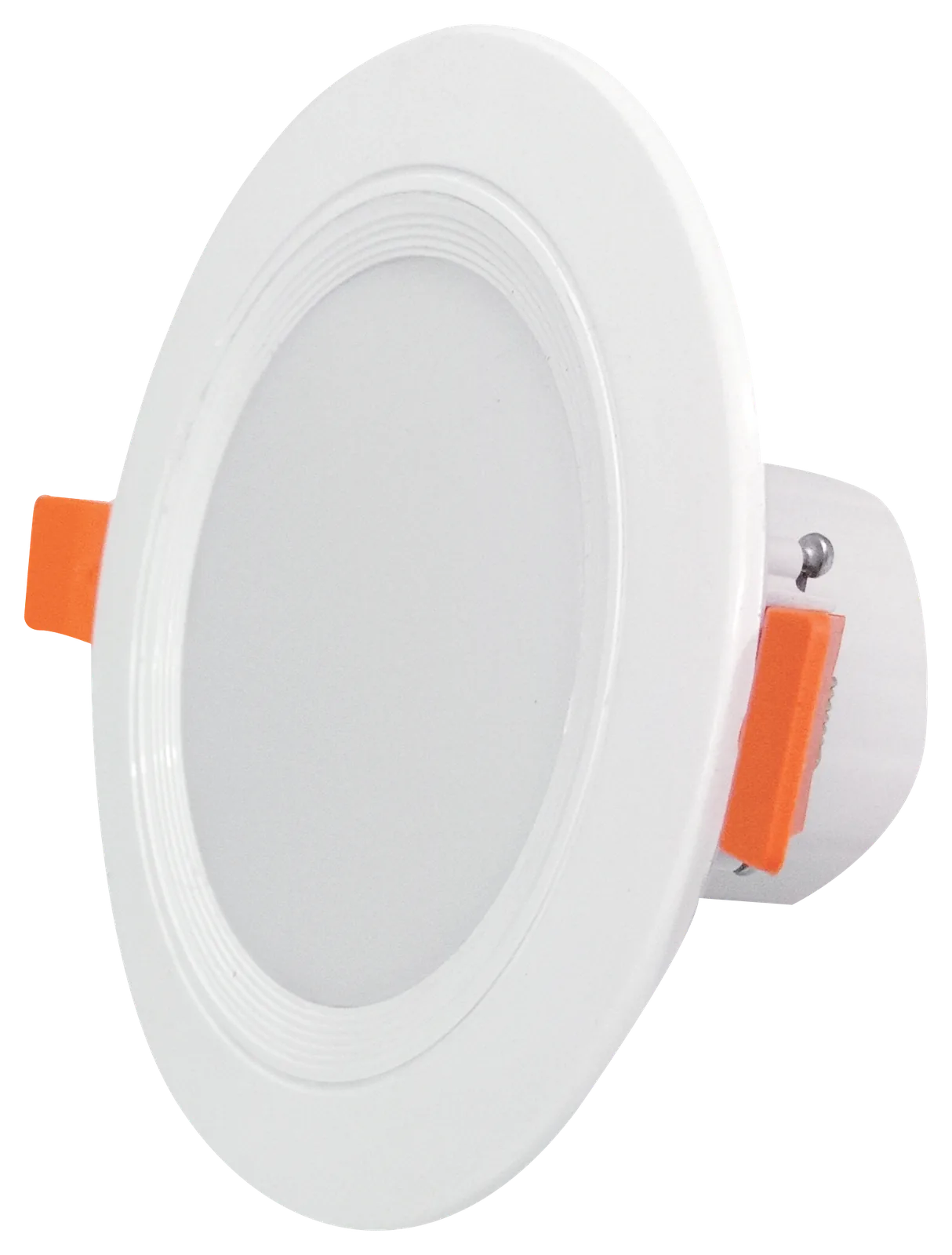
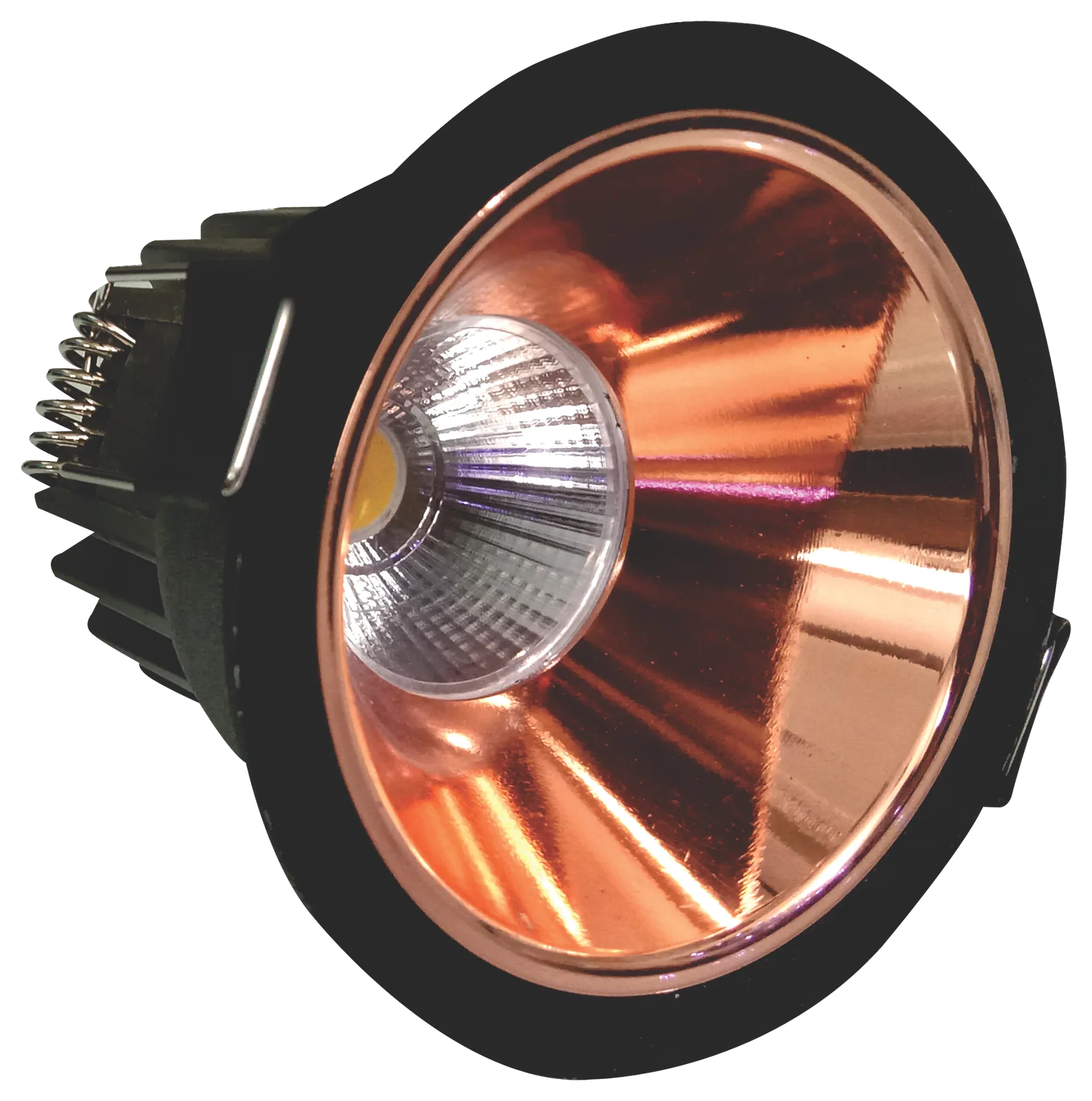
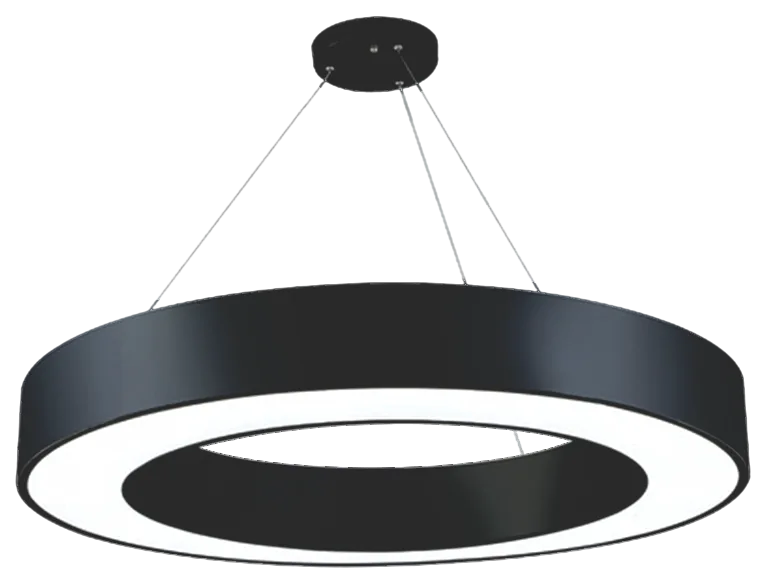
Comfortable rooms combine general light (panels or battens), task light (over the kitchen counter, desk or mirror) and accent light (COB downlights or profile lights on walls and shelves). Layering lets you hit the right lux where you need it without glare everywhere else.
Questions people also ask
- How many lumens do I need for a 10 × 10 ft room? +
- About 2,900 lumens from the fittings for a bedroom at 150 lux, or about 3,900 lumens for a living room at 200 lux.
- How many LED panels for a 12 × 12 ft room? +
- About 4,000–4,200 lumens are needed for a bedroom. With panels of around 1,000 lumens each, that's four panels in a 2 × 2 grid. Check the lumen figure on your panel's datasheet.
- Is wattage a good way to compare LED lights? +
- No. Compare lumens. Efficiency varies between products, so the same wattage can give different amounts of light.
- What lux is good for studying? +
- 300–500 lux on the desk, with neutral white light around 4000K.
General guidance only — follow IS 732 and your local electrical rules, and use a licensed electrician.